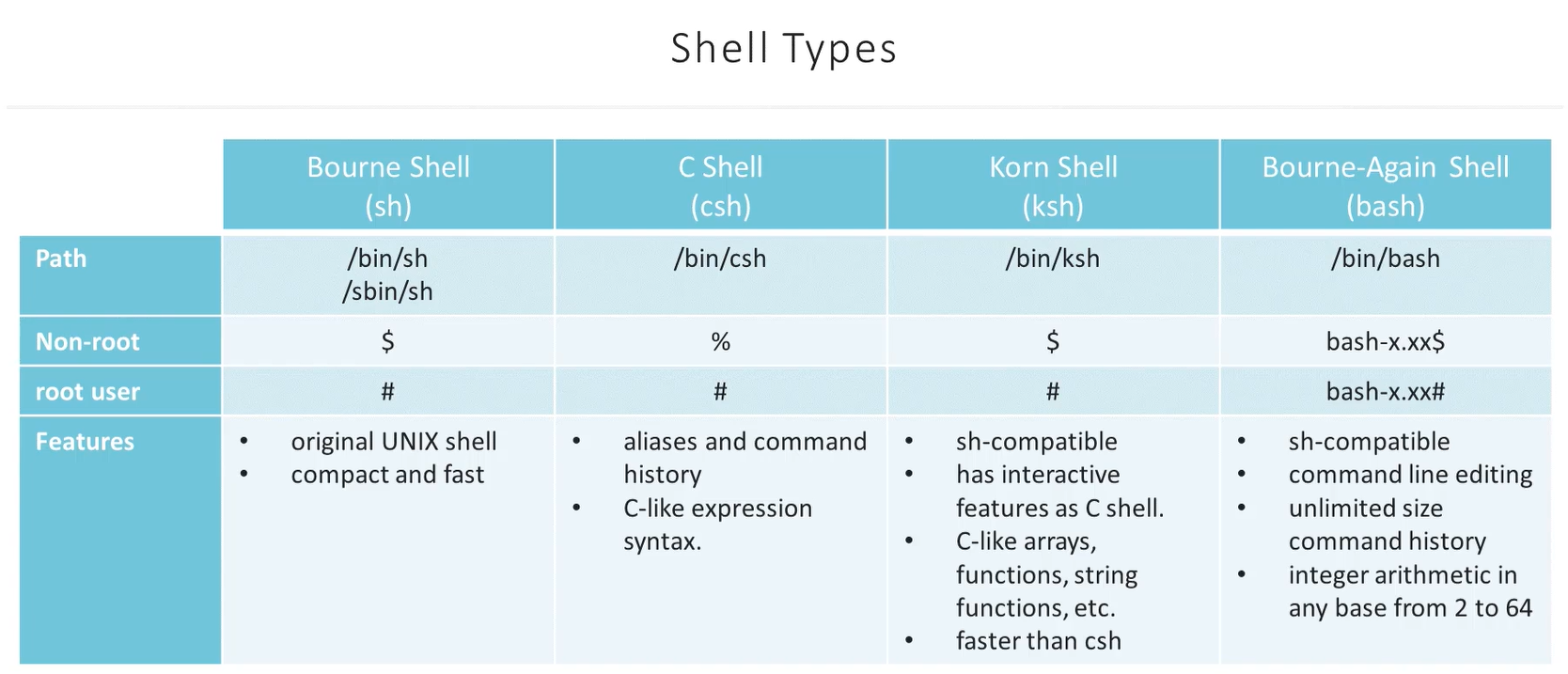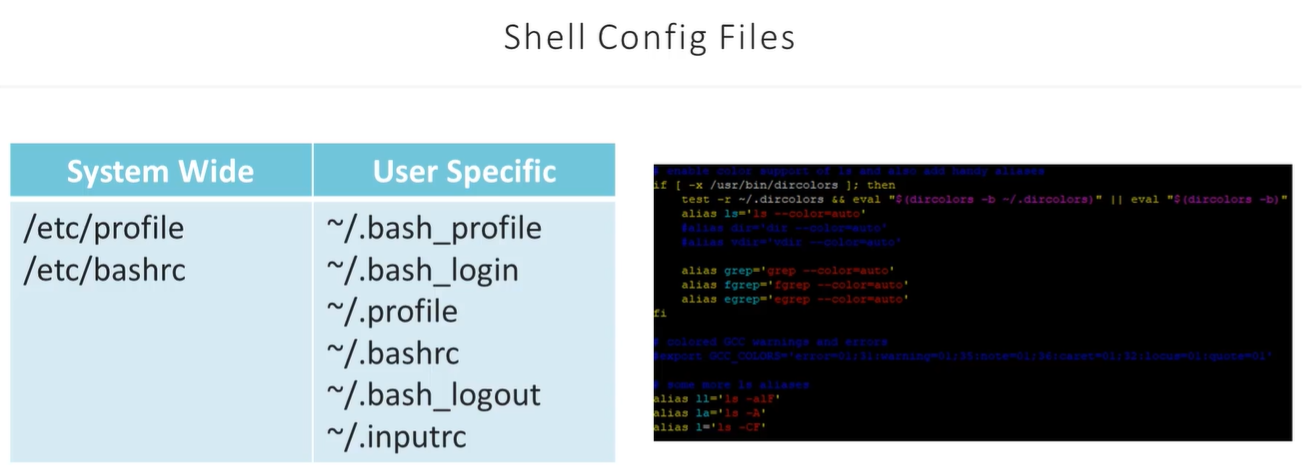

Linux
- unix like OS
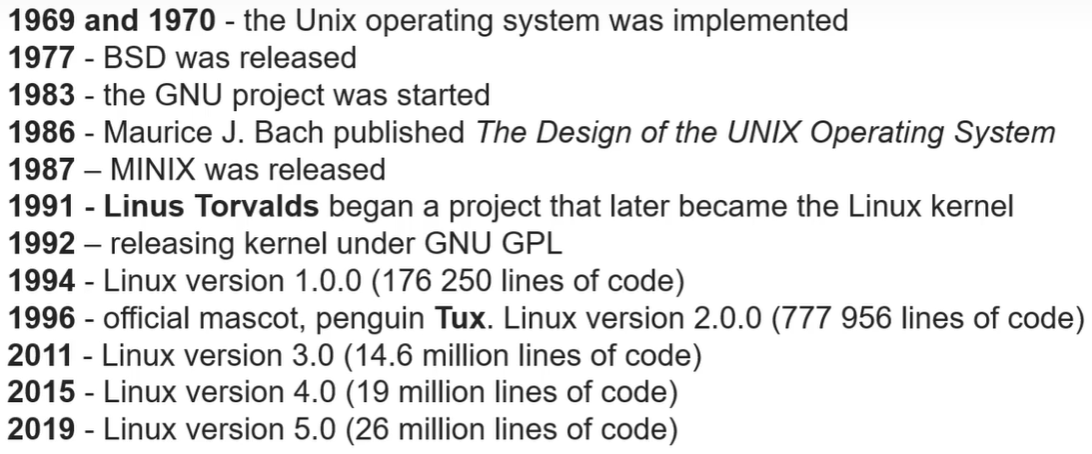
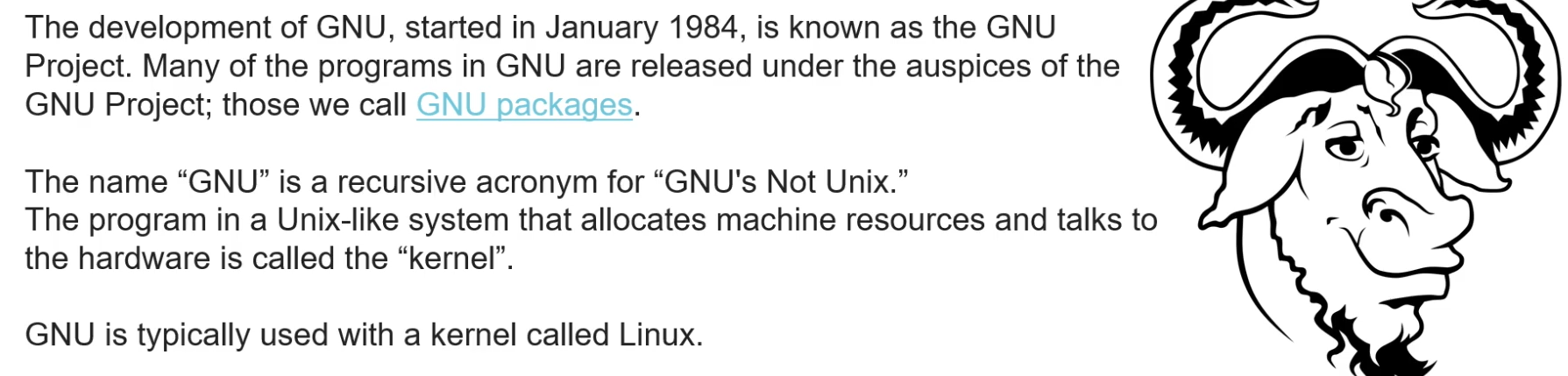
-
Linux kernel supports
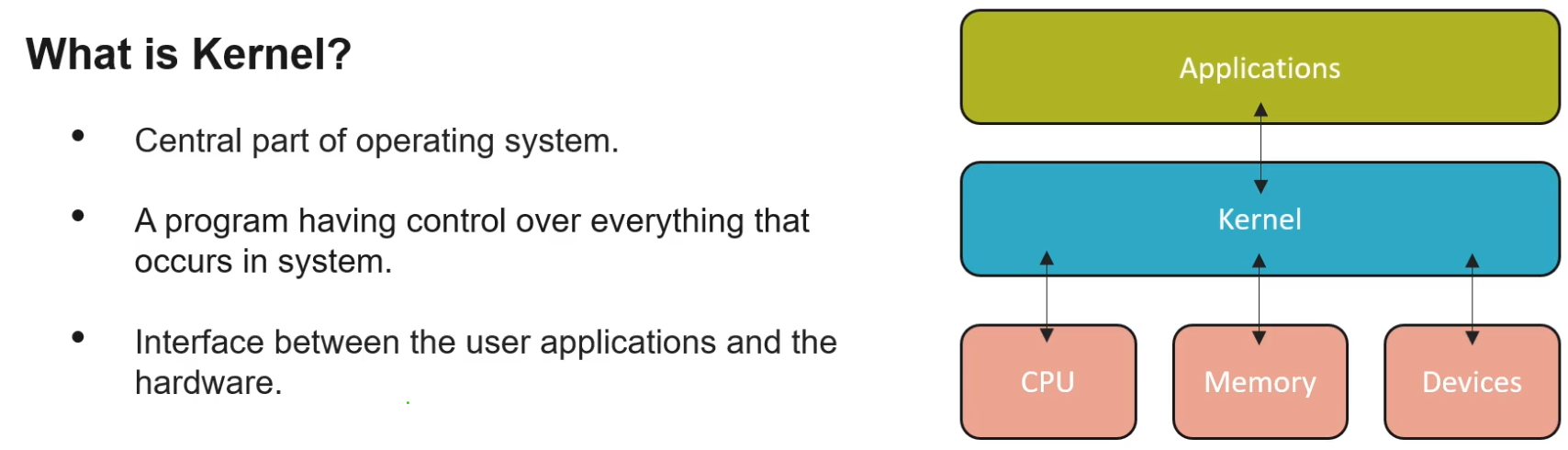
-
features
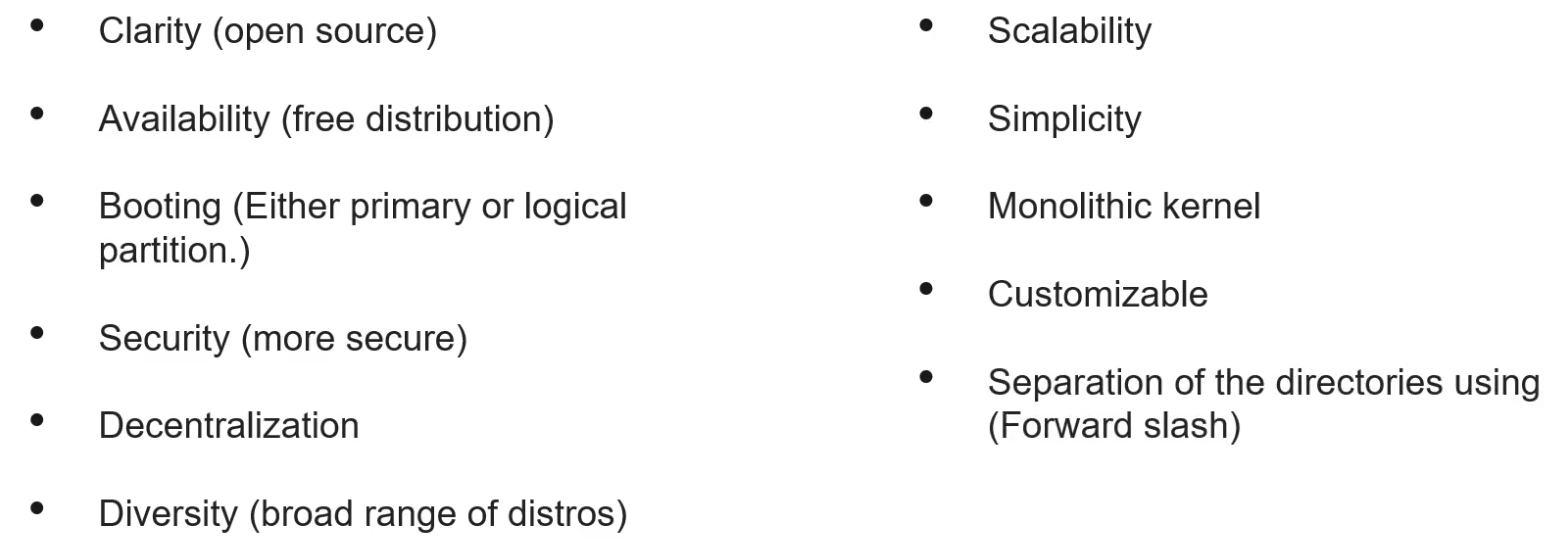
-
supports
- Multitaksing, virtual memory, dynamic libs, differ loading etc..
Linux Distributions???
Section titled “Linux Distributions???”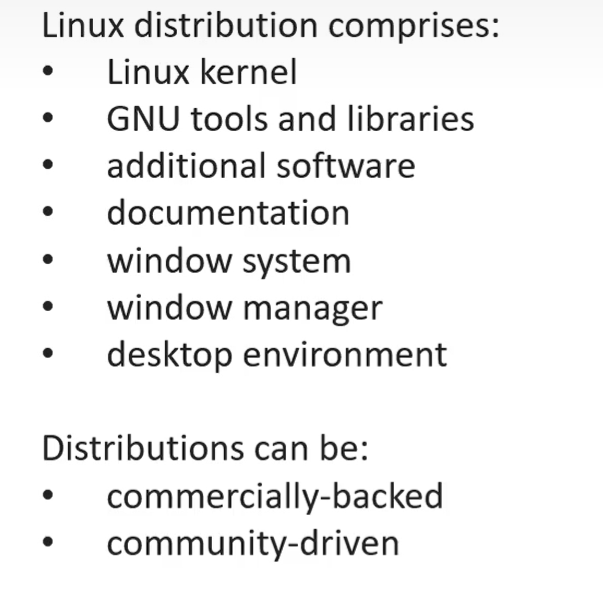
Fixed Release
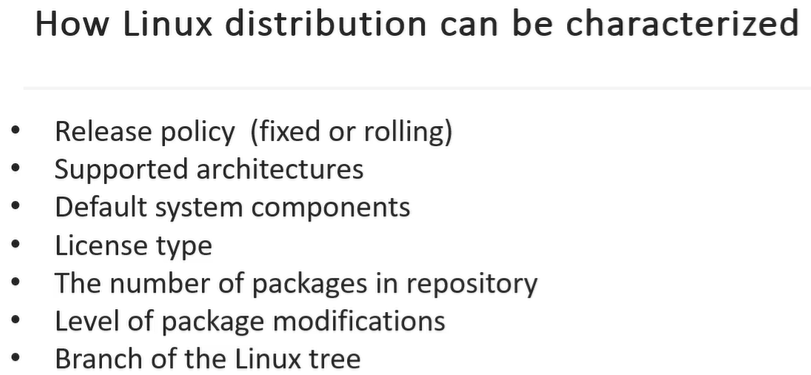
Section titled “Fixed Release”A fixed release distribution provides a stable release that is updated periodically with major version upgrades. Once a fixed release version is published, the system remains at that version until the next major release comes out. Updates within the version (such as security patches and bug fixes) are provided, but the core components (e.g., the kernel, software libraries) generally stay at the same version until the next release.
Examples:
- Ubuntu (e.g., 22.04 LTS), Debian Stable, Fedora (though it can have a rolling component as well)
Key Features of Fixed Releases:
- Stability: Fixed releases are typically well-tested and stable.
- Long-Term Support (LTS): Distributions like Ubuntu LTS offer long support periods (e.g., 5 years), ensuring updates and security patches for a long time.
- Predictability: Since there are clear release cycles, users know exactly when to expect new versions or updates.
- More conservative updates: Software versions are less likely to change rapidly within the release cycle.
Rolling Release
Section titled “Rolling Release”A rolling release distribution continuously updates and integrates new software and system components. Instead of waiting for a large new version of the distribution to be released, users on a rolling release will always have the latest stable software and kernel updates.
Examples:
- Arch Linux, Manjaro (based on Arch, but with some tweaks), openSUSE Tumbleweed, Gentoo
Key Features of Rolling Releases:
- Always up-to-date: The system is continuously updated with the latest versions of software, drivers, and the kernel.
- Cutting-edge software: Users get access to new features and updates as soon as they are stable enough for release.
- Frequent updates: You get smaller, incremental updates regularly (sometimes daily or weekly).
- Less stability: While rolling releases provide the latest software, they might also introduce bugs or instability because of the fast-paced nature of the updates.
Comparison at a Glance:
Section titled “Comparison at a Glance:”| Feature | Fixed Release | Rolling Release |
|---|---|---|
| Update Frequency | Periodic major updates (every 6 months, 1 year, etc.) | Continuous, frequent updates |
| Stability | Very stable, well-tested | Can be less stable due to rapid updates |
| Software Versions | Fixed versions until the next release | Always the latest version of software |
| Use Case | Ideal for users who want a stable, predictable system | Ideal for users who want the latest features and are comfortable with potential instability |
| Examples | Ubuntu, Debian Stable, Fedora | Arch Linux, Manjaro, openSUSE Tumbleweed |
Which is better?
Section titled “Which is better?”- Fixed releases are great for those who prefer stability and long-term support (e.g., for production servers or users who don’t want to manage frequent updates).
- Rolling releases are best for users who enjoy having the latest and greatest software and don’t mind the occasional instability.
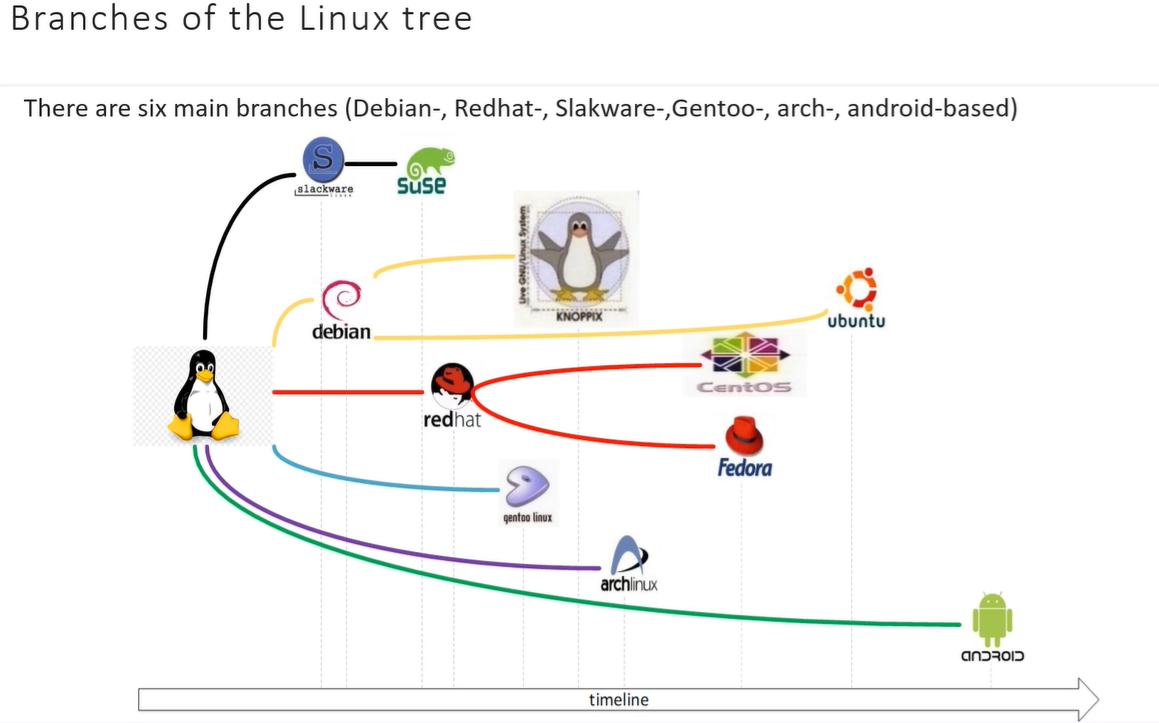
Linux Families
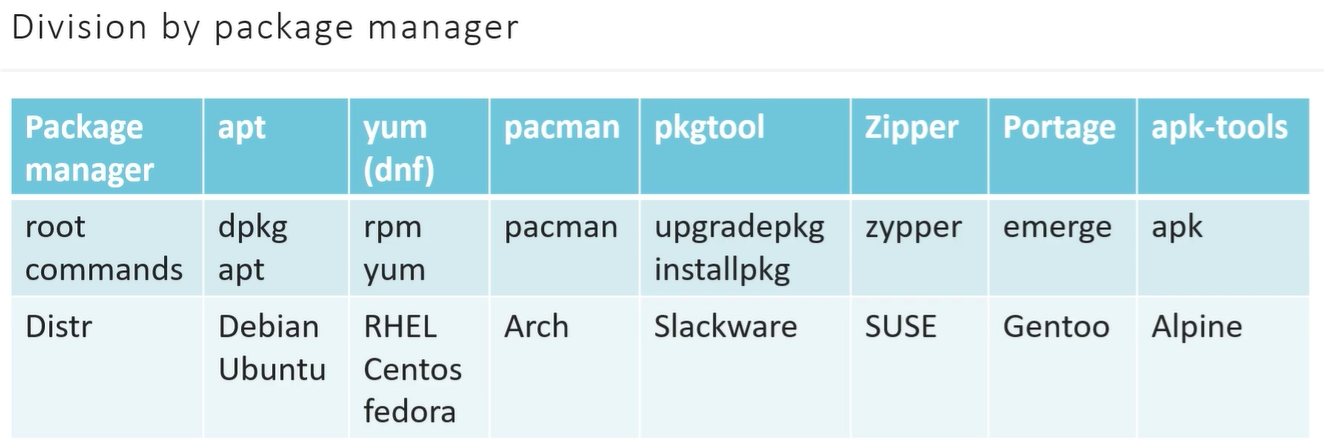
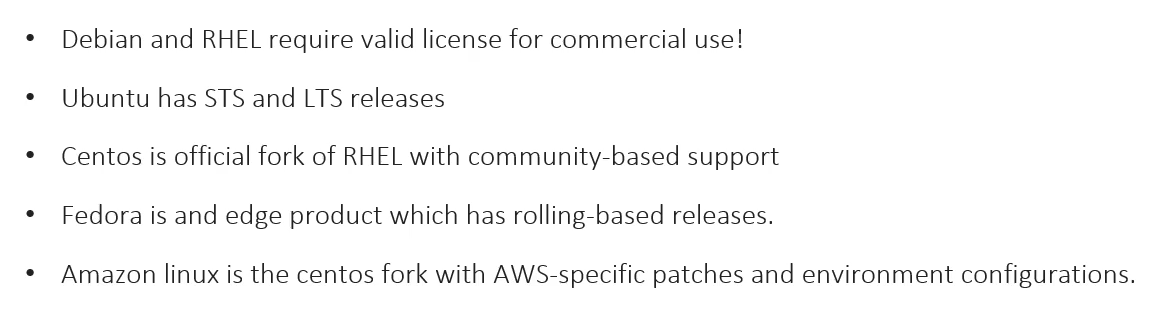
Section titled “Linux Families”- Top 2 is
- Debian - Ubuntu, etc..
- Debian itself cant be used directly in enterprises, but its Versions Like Ubuntu can…
- Redhat - CentOS, Fedora, Amazon Linux etc..
- Debian - Ubuntu, etc..
- Alphine Linux is niche distro.. commonly used for Docker images.. since its image size small..